Identity was taken by design.
It can be written back.
Shane Bouel — author, investigator, forced-adoption survivor. The institutions sealed the record and kept the paperwork. He recovered both, and now he publishes: eight books, a forensic publication, a governance platform, and advocacy filed where it counts.

The Books
Seven volumes · Two bodies of workThe Bridge Walker Series is the life — memoir, manifesto, and philosophy. The research trilogy is the argument — theory, practice, and evidence. Together they move from one sealed record to a framework for every sealed record.
The Bridge Walker Series
Walking backward toward home
The life as lived — separation, the sealed years, and the long walk back.
What the system owes, named plainly. A declaration for the displaced.
Identity rebuilt on recovered ground — sovereignty by design, not permission.
Exile and return as one movement — the philosophy of standing still at last.
The Research Trilogy
Free to read · PDF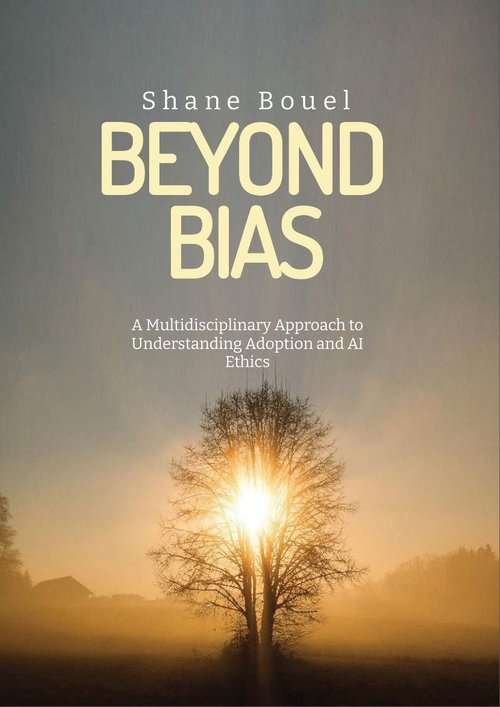
Introduces the Adoptee Paradox Framework and names Non-Adoptee Bias and Genealogical Nullification as structural forces. Its claim: AI is not neutral — left unchecked, it encodes the same erasure adoptees have always faced.
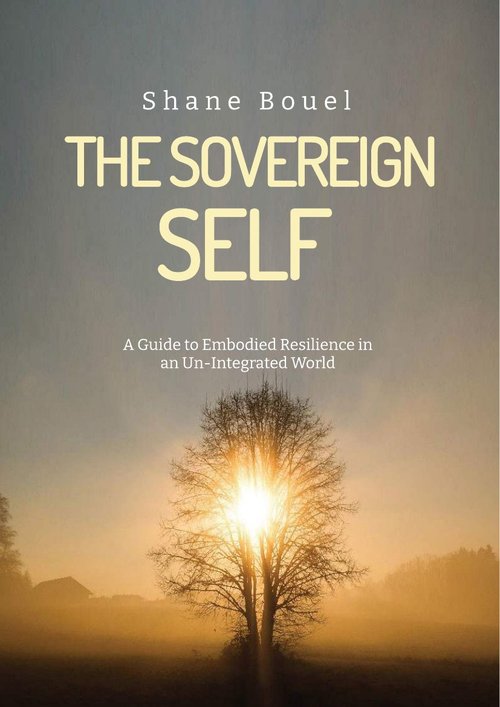
A somatic trauma guide for a nervous system shaped by severance — the Fifth-Dimensional Split, the De-escalation Toolkit, the CLEAR Method. Sovereignty as a practice done in the body, one regulated moment at a time.
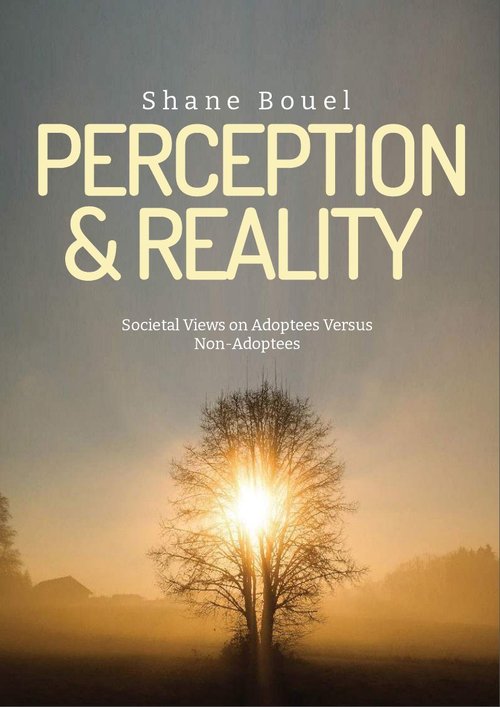
Twelve chapters on the gap between how society perceives adoptees and how adoptees actually live — media tropes, internalised stigma, ancestry-testing bias — closing with a call for a Paradox-Informed Society.
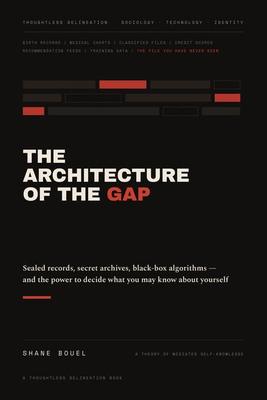
The Architecture of the Gap
Standalone · A Thoughtless Delineation BookSealed records, secret archives, black-box algorithms — and the power to decide what you may know about yourself.
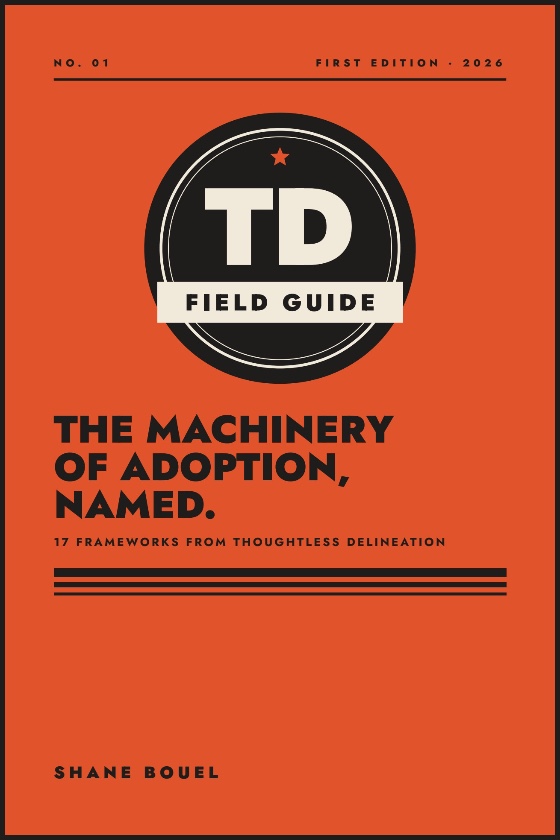
The TD Field Guide
Digital edition · PDF · 44 pagesAdoption is usually told as a family story. This guide treats it as a system, with inputs, outputs, paperwork, revenue and a way of protecting itself. Seventeen frameworks from Thoughtless Delineation, each one a tool you can carry into a hearing, a reunion, a policy submission or your own head at three in the morning.
Five parts: how identity is taken, what it does to the person, why no one sees it, evidence and reconstruction, and working frameworks. Every one traces back to the Loop.
Thoughtless Delineation
Essays · Investigations · PodcastA forensic publication on adoptee rights, identity erasure, sealed records, and institutional accountability — an indictment with footnotes. Written from lived experience, argued from primary sources. Not therapeutic. Not performative. Evidentiary.

Long-form investigations and the framework canon, with audio episodes for every major piece.

Including Too Intelligent to Ignore, Too Honest to Employ — on employability, conformity, and the performance economy.
Each framework names one mechanism by which adoption separates a person from their origin and keeps that separation in place: a sealed record, a funding stream, a turn of phrase, a way of not looking. Naming the mechanism is what lets it be pointed at, measured and challenged, instead of being felt as private grief or dismissed as one family’s story.
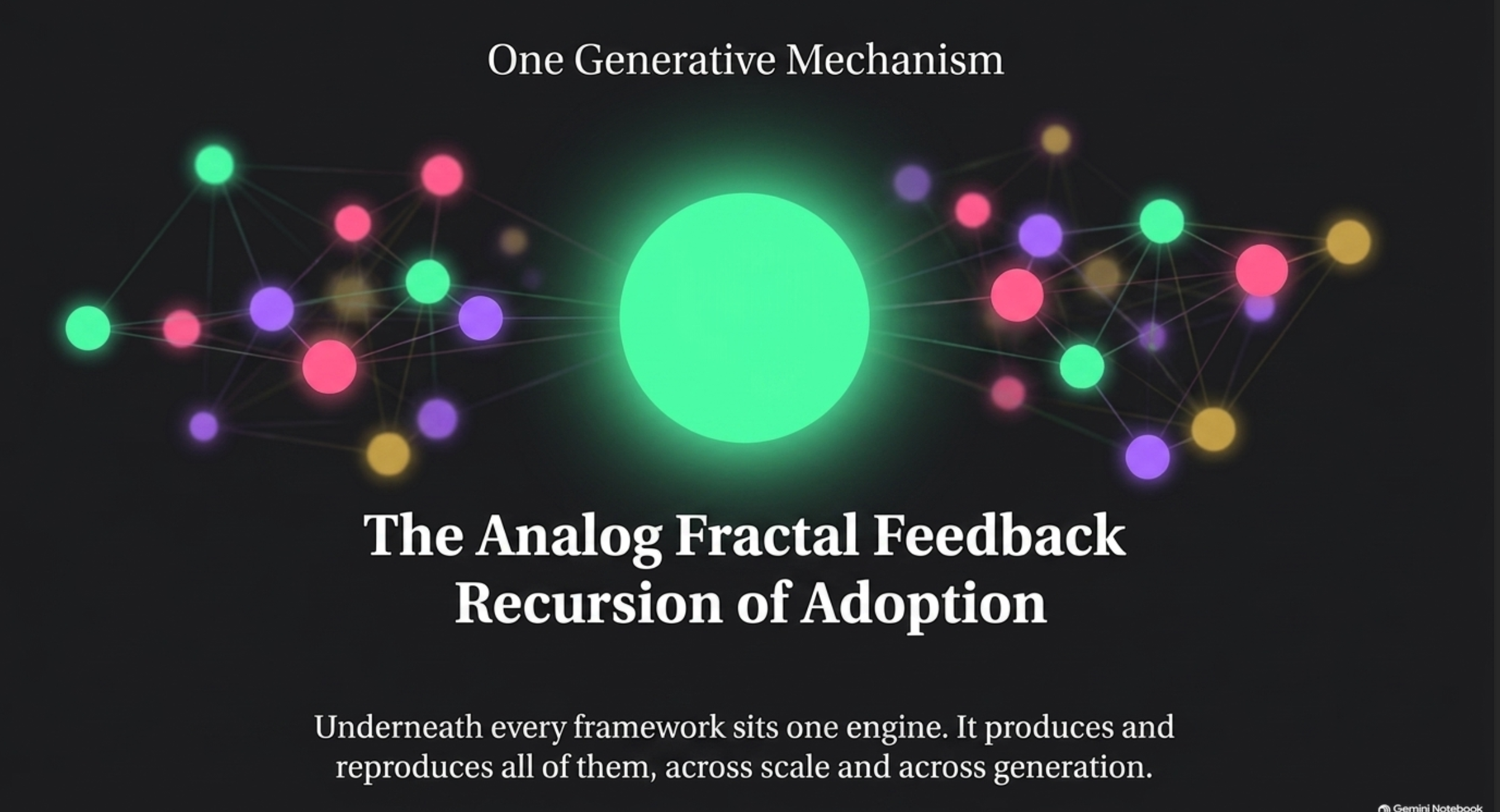
The canon is the agreed set of those names and their definitions, kept in one place so every essay, report and submission uses each term the same way. It has three layers: the meta-framework (the Analog Fractal Feedback Recursion of Adoption, the loop the others are snapshots of), the core diagnostic frameworks, and the extended canon. Where an entry rests on science or records still being verified, the page says so.
Read it as a field guide. Start with Non-Adoptee Bias and the Architecture of Silence if you are new to the work; start with the Fifth-Dimensional Split and the Identity Gravity Well if you were adopted.
Read the Framework Canon →The Fractal Loop of Adoption
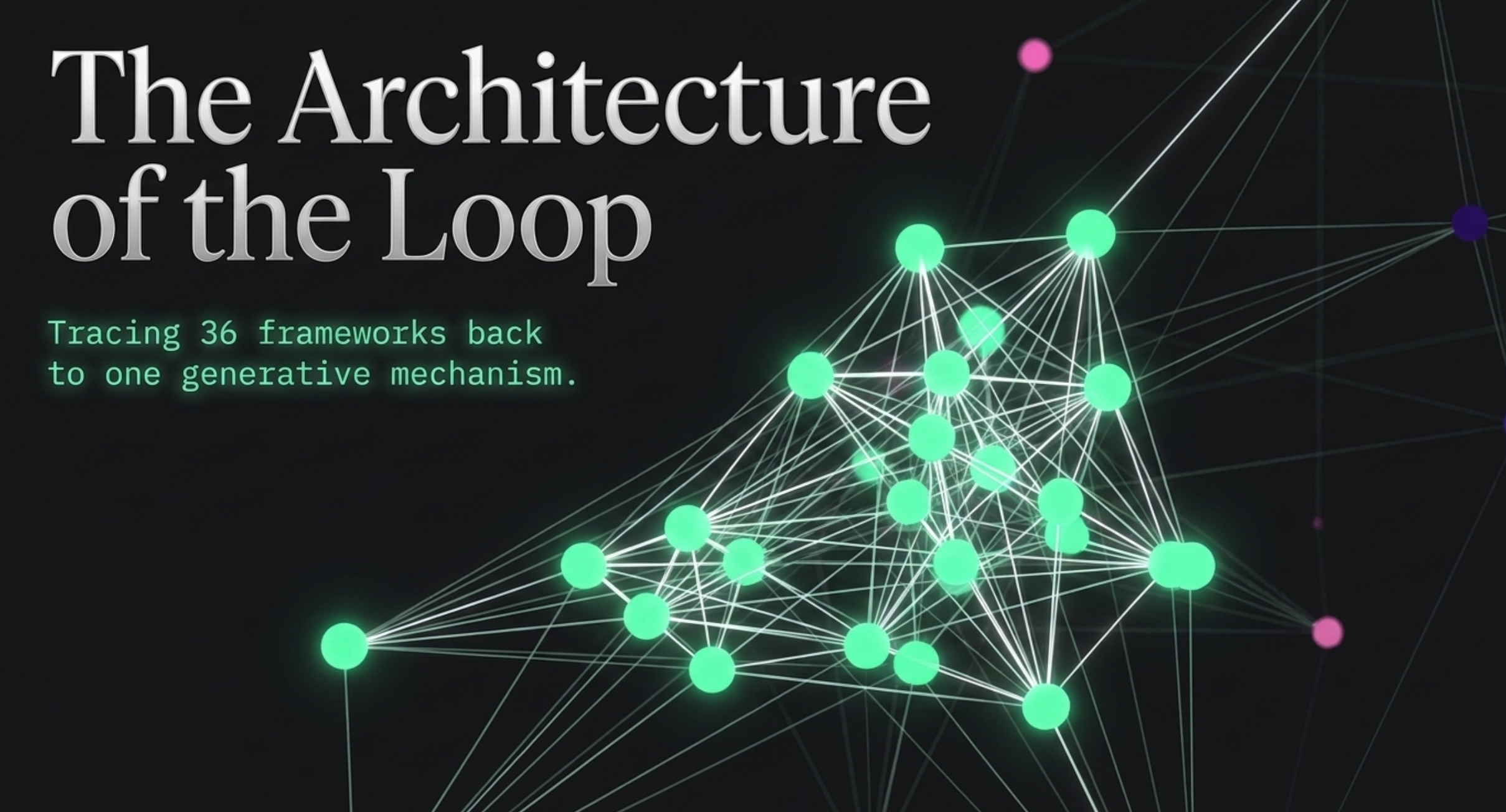
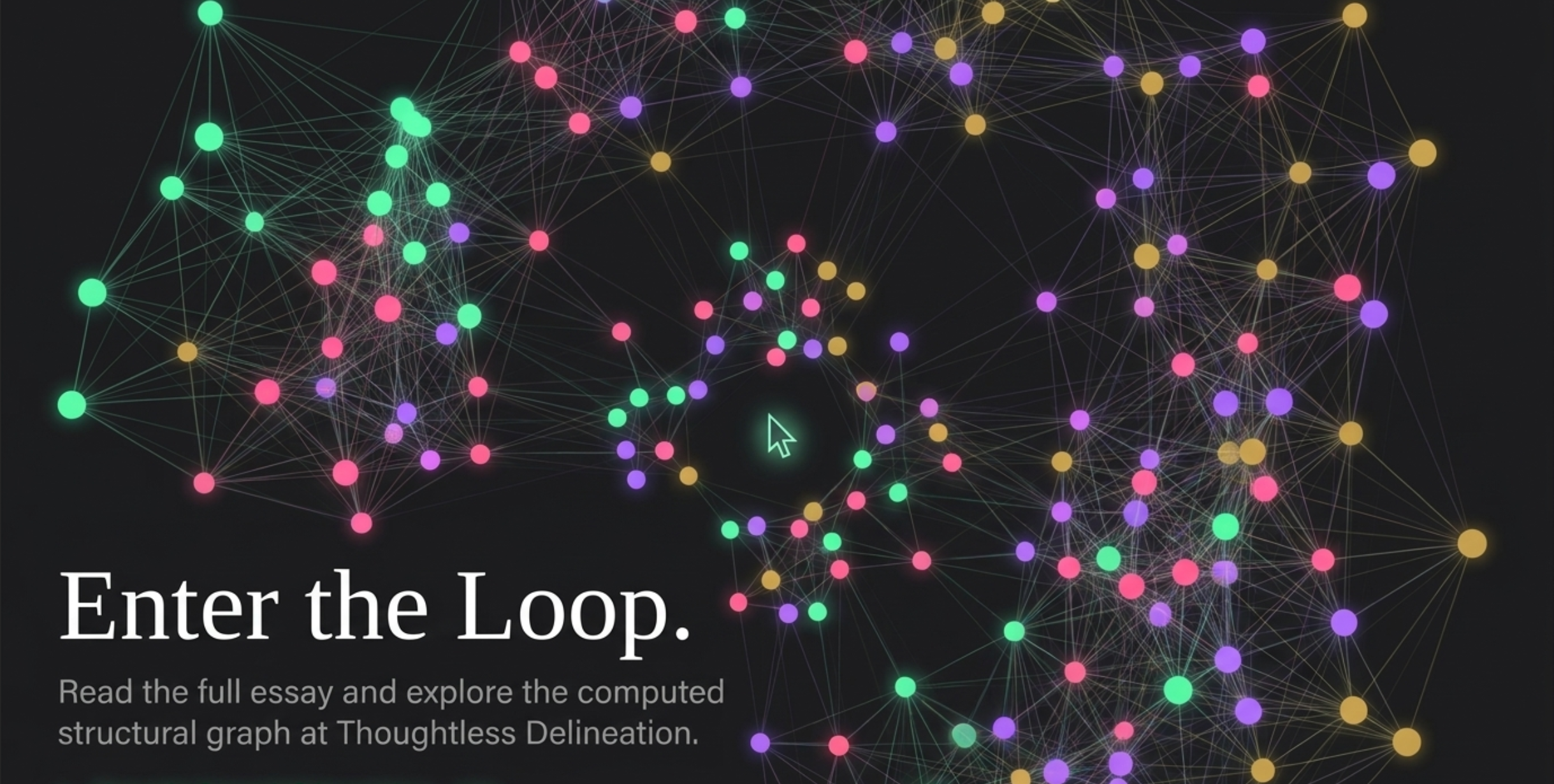
39 frameworks · one recursive originEvery framework named across this body of work — the Architecture of Silence, the Maintenance Economy, the Identity Gravity Well, and thirty-six others — traces back to a single mechanism: the Analog Fractal Feedback Recursion of Adoption. Not asserted. Mapped node by node, at an average of 2.8 links and never more than four steps from the source.
OMISSION
Governance observabilityA risk that exists but is not seen is an omission. OMISSION measures the gap between what governance frameworks claim to cover and what decision-makers actually see — harm potential × visibility weight, scored across eight survivor-centred rights domains. Browser-based. No backend. No data leaves your machine.
Institutional Services
TD-Nexus · For institutions, not readersA separate offering, built on the same forensic method: diagnostic software, audit consulting, and licensed frameworks for regulators, legal teams, and oversight bodies that need to find what their own systems are built to omit — before someone else does.
Advocacy on the Record

Investigation that leaves the page. TD's forensic work is filed where it counts — with the agencies, commissions, and reform processes that hold the records.
Formal RTI applications targeting child protection data systems — data residency, sovereignty, and who really holds the keys.
Evidence-based submissions to national training, safety, and children's rights bodies on adoptee erasure in the sector.
Read the sourced exhibit →Human rights instruments scored for the gap between coverage claimed and protection delivered.
Findings published under open licence so the record can never be sealed again.
Adoption ethics researcher · Author · Systems critic · Identity rights advocate. Two decades across design, branding, digital production, vocational education, and learning systems — now turned on the institutions themselves. The work reframes adoptees not as passive recipients of care, but as primary knowledge holders.